Black Locust Honey - Limited Edition
Ten-Day Window
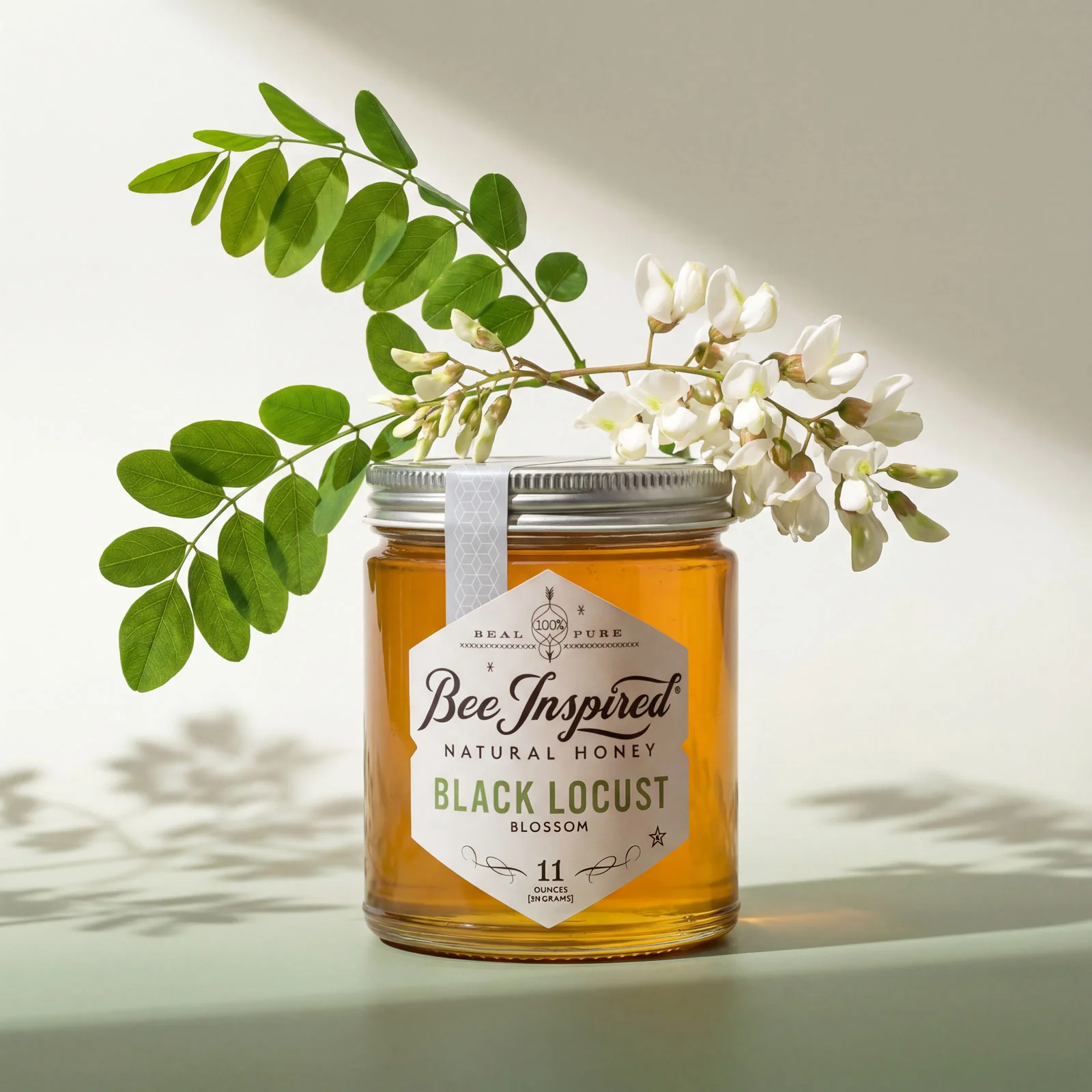
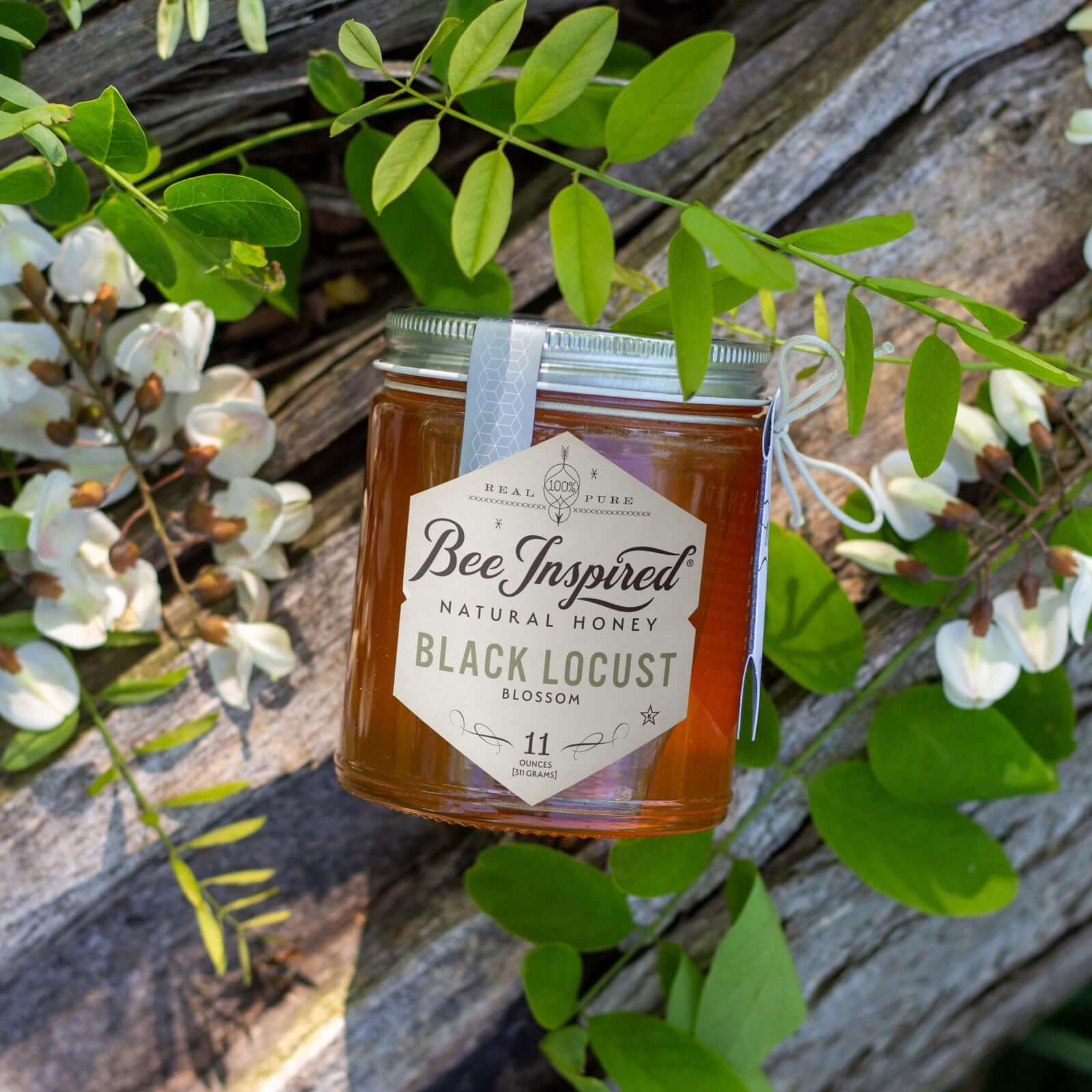
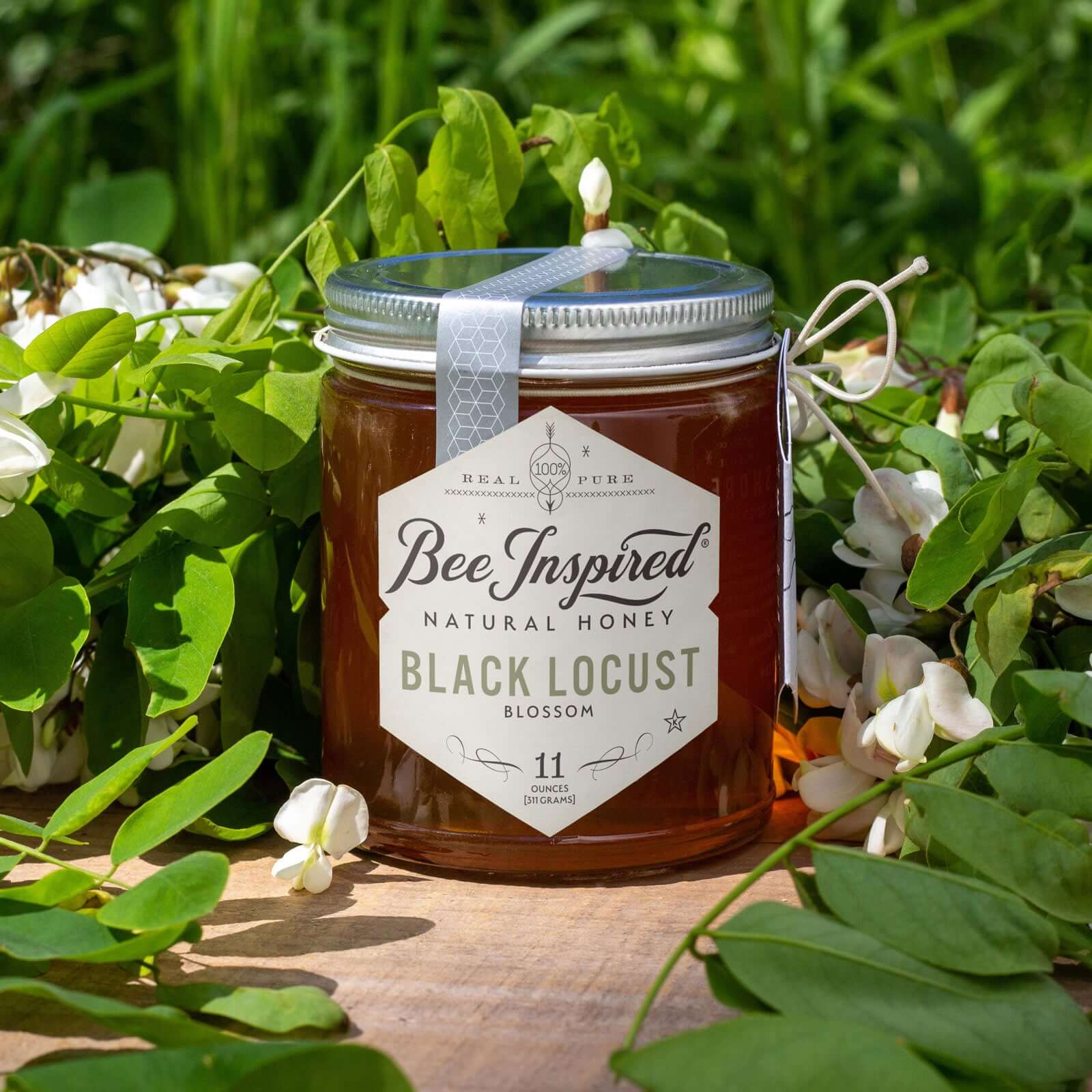
Black locust trees bloom for ten days. Maybe two weeks if the weather cooperates. May into June, depending on how warm spring comes. The trees explode with cascading white flowers that smell like wisteria mixed with something sweet you can't name. Bees work them hard. Then it's over.
Europeans call this acacia honey. Americans call it black locust. Same tree, different name. The tree—Robinia pseudoacacia—is native to the Appalachian region but was planted all over Europe centuries ago. It naturalized there, became part of the landscape, got called false acacia. The honey from European forests and American forests is identical. Just depends where the bees are.
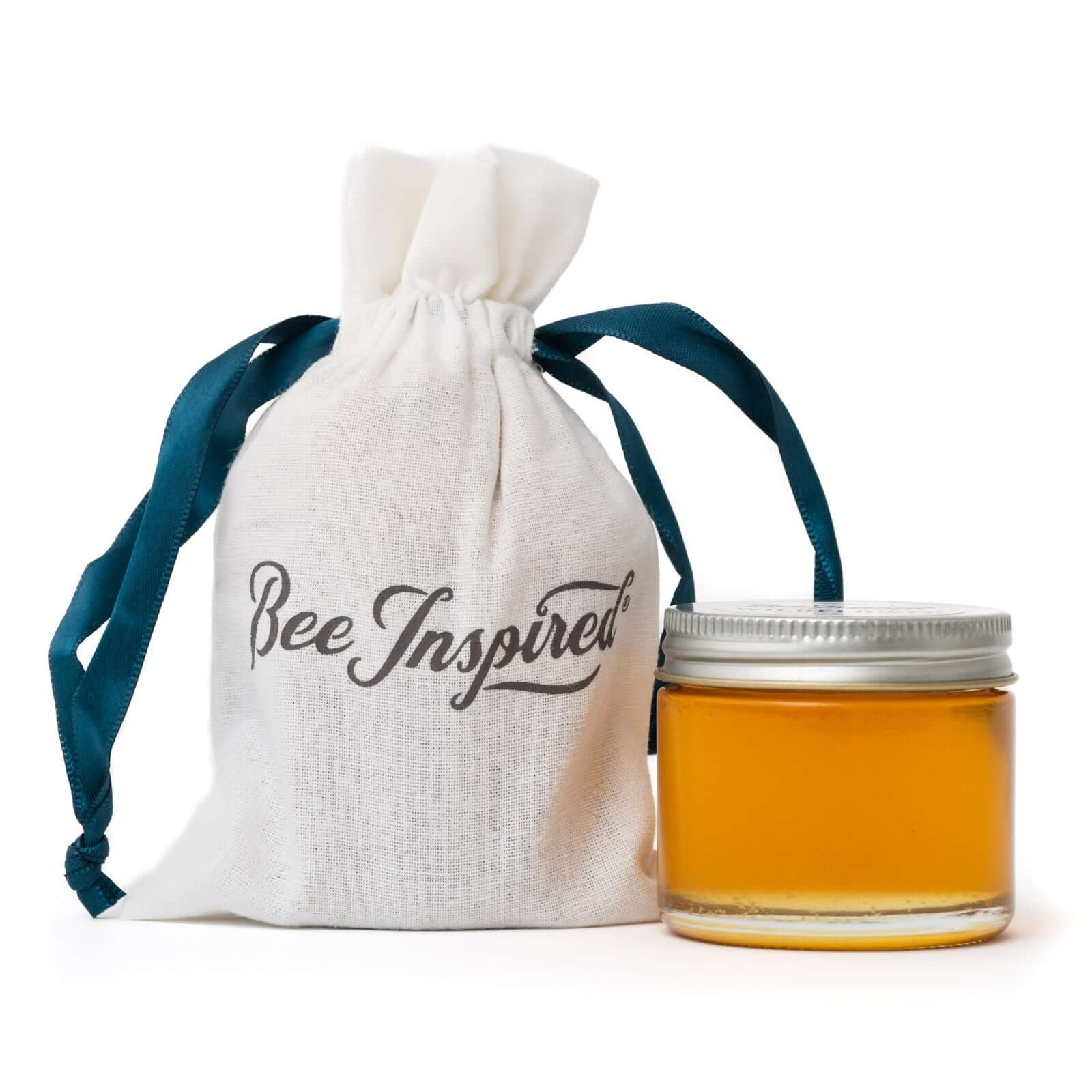
The flavor is light, floral, vanilla-forward. Delicate without being weak. Fruity undertones, hints of almond, maybe nutmeg if you're paying attention. Long vanilla finish that doesn't turn bitter. This is refined honey—the kind that doesn't announce itself but makes everything it touches better.
And it doesn't crystallize. High fructose content means it stays liquid for months, sometimes years. No warming jars under hot water, no fighting with grainy texture. It just pours.
We have only a small number of jars left and are maybe we'll have more in July.
Your purchase supports Roots & Wings — our commitment to pollinators, people, and the planet. Learn how we give back.
What This Honey Goes With
- Mild, fresh cheeses: Chèvre, ricotta, soft goat cheese. The light flavor doesn't fight tangy notes. Also works with salty cheeses like Pecorino.
- Breakfast things: Biscuits, pancakes, toast, waffles. Mix it with butter and real vanilla bean for compound butter. Drizzle it over Greek yogurt with fruit.
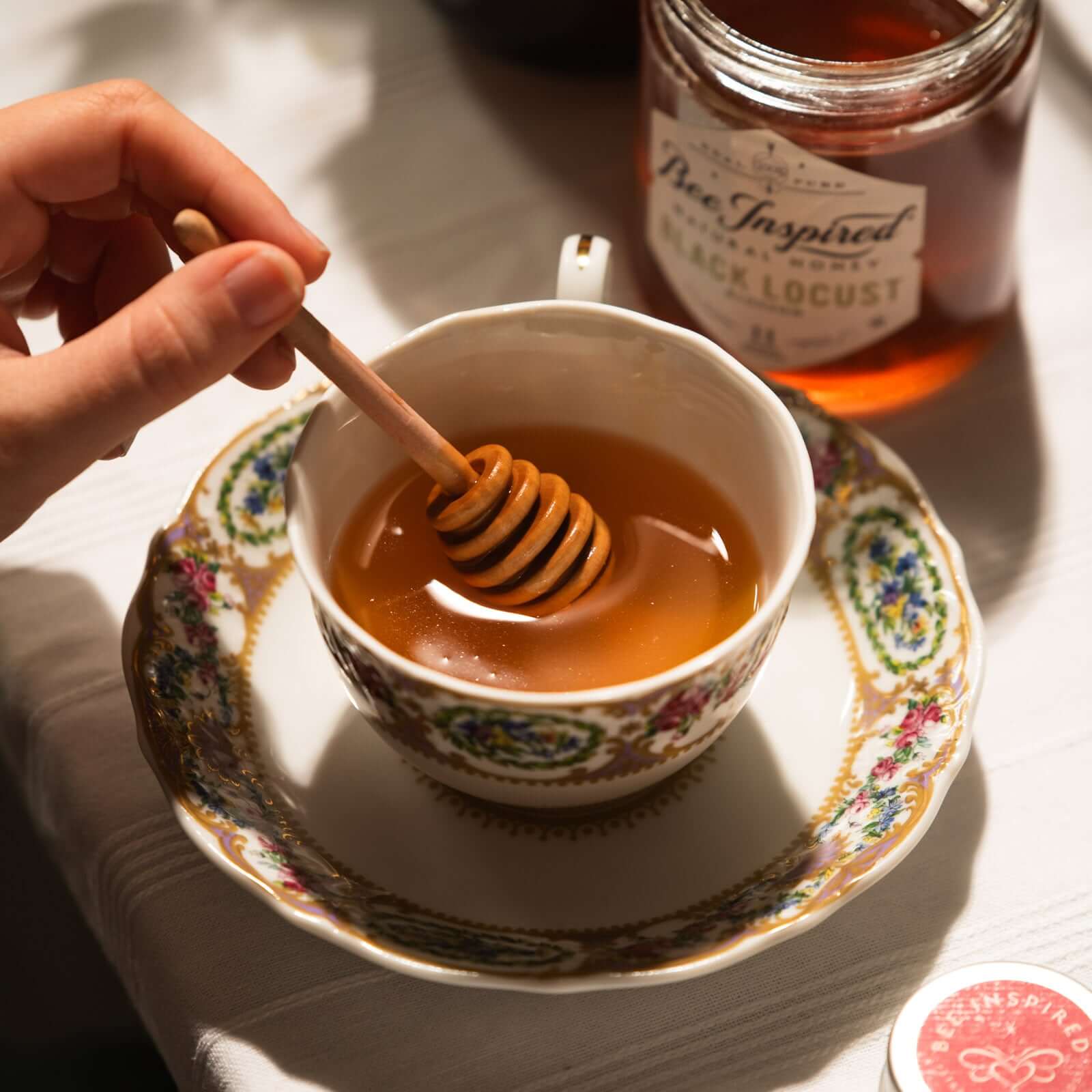
- Herbal and green teas: Chamomile, mint, white tea, green tea. The floral notes harmonize instead of competing. Doesn't overpower delicate tea flavors.
- Delicate baking: Light cakes, cookies, glazes where dark honey would be too much. Stays nearly transparent, so baked goods maintain their intended color.
- Cocktails: Craft bartenders use it for depth without heaviness. Adds complexity to drinks that need subtle sweetness.
- On cheese boards: Where its refined character can be noticed and appreciated. Let it shine alongside quality cheeses and crackers.
- Straight from the jar: The vanilla-forward flavor makes this easy to eat on its own. Smooth, silky texture that pours without effort.
Product Information
Product Information
Shipping & Returns
Shipping & Returns

Black Locust Honey - Limited Edition
Black Locust Honey - Limited Edition
Ten-Day Window
Black locust trees bloom for ten days. Maybe two weeks if the weather cooperates. May into June, depending on how warm spring comes. The trees explode with cascading white flowers that smell like wisteria mixed with something sweet you can't name. Bees work them hard. Then it's over.
Europeans call this acacia honey. Americans call it black locust. Same tree, different name. The tree—Robinia pseudoacacia—is native to the Appalachian region but was planted all over Europe centuries ago. It naturalized there, became part of the landscape, got called false acacia. The honey from European forests and American forests is identical. Just depends where the bees are.
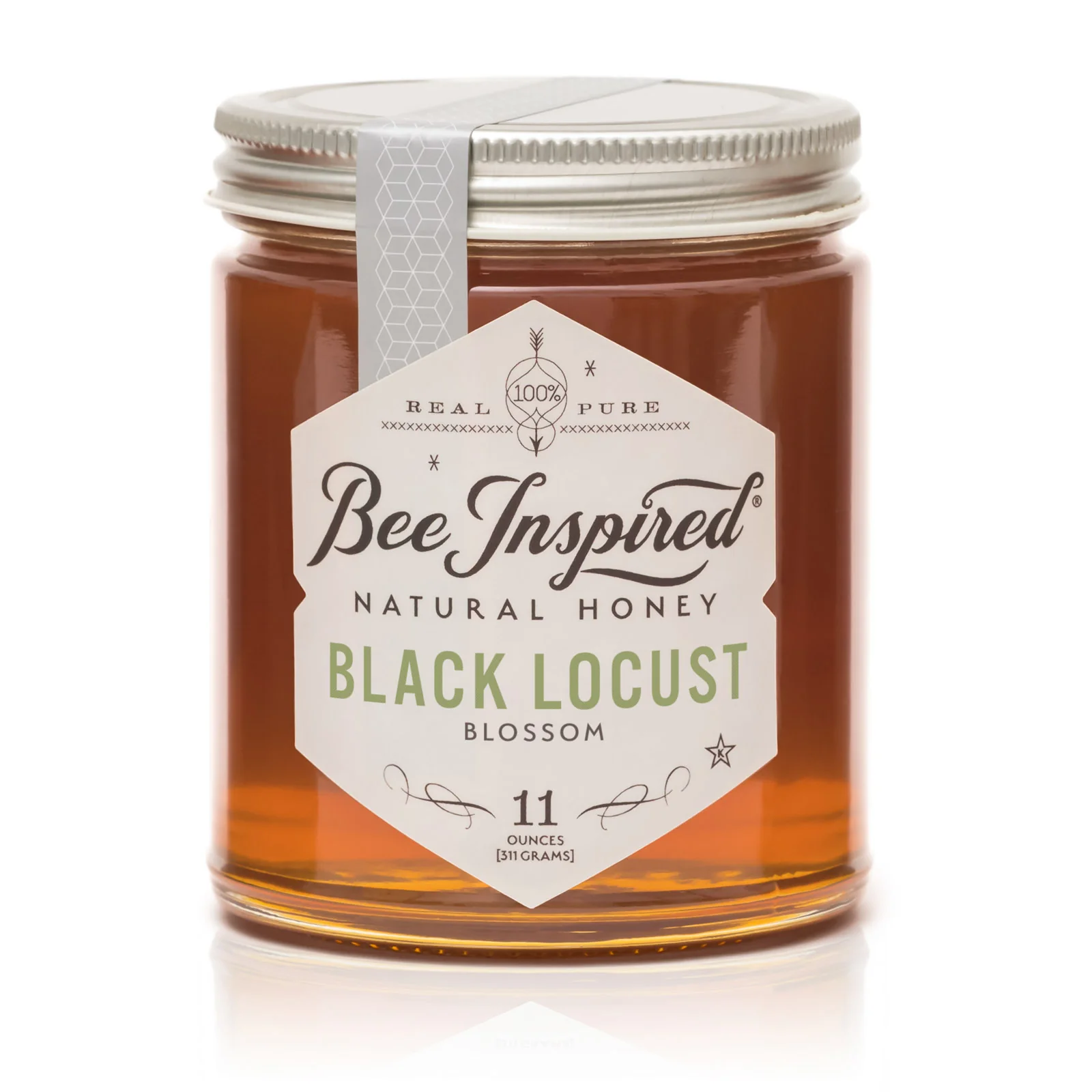
The flavor is light, floral, vanilla-forward. Delicate without being weak. Fruity undertones, hints of almond, maybe nutmeg if you're paying attention. Long vanilla finish that doesn't turn bitter. This is refined honey—the kind that doesn't announce itself but makes everything it touches better.
And it doesn't crystallize. High fructose content means it stays liquid for months, sometimes years. No warming jars under hot water, no fighting with grainy texture. It just pours.
We have only a small number of jars left and are maybe we'll have more in July.
Your purchase supports Roots & Wings — our commitment to pollinators, people, and the planet. Learn how we give back.
What This Honey Goes With
- Mild, fresh cheeses: Chèvre, ricotta, soft goat cheese. The light flavor doesn't fight tangy notes. Also works with salty cheeses like Pecorino.
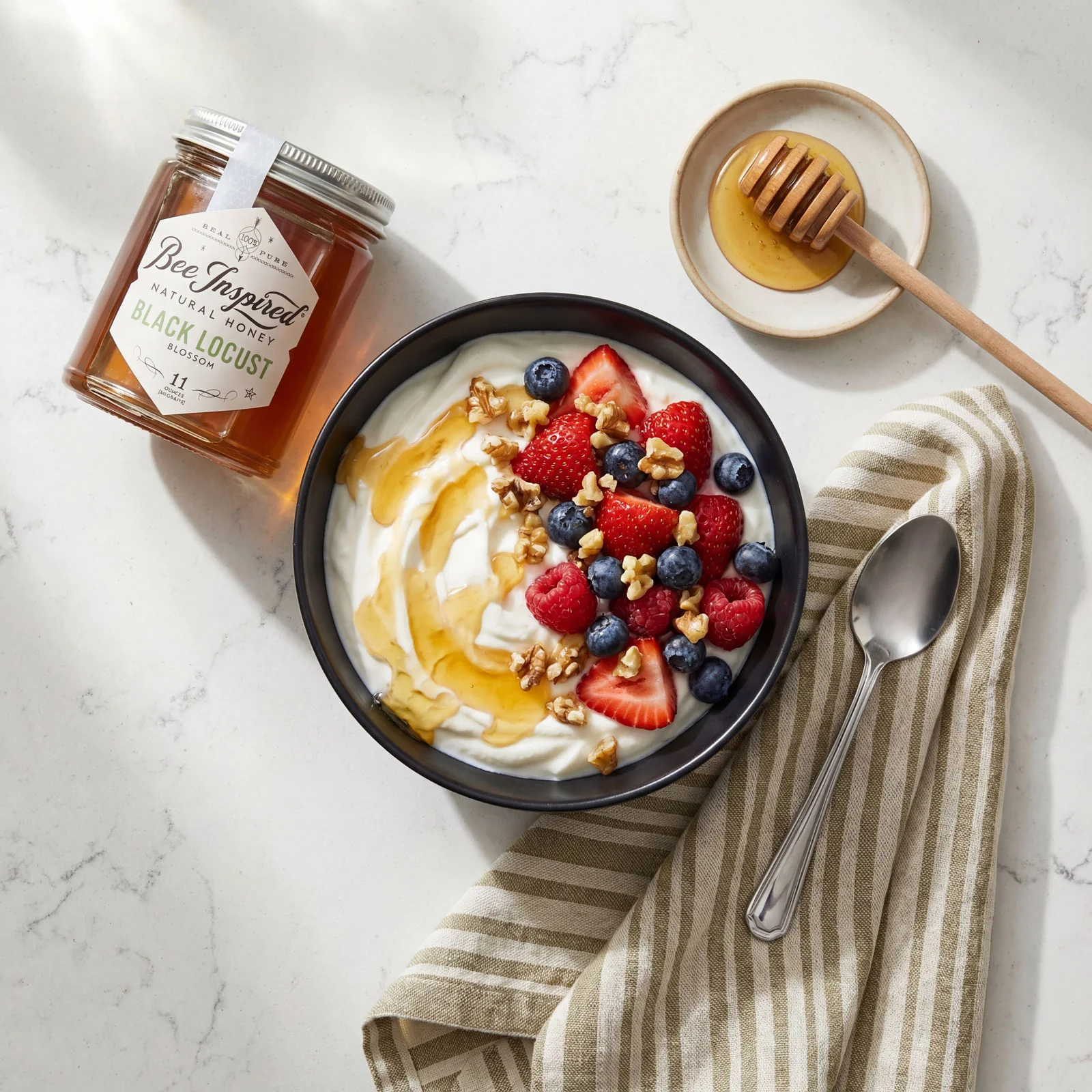
- Breakfast things: Biscuits, pancakes, toast, waffles. Mix it with butter and real vanilla bean for compound butter. Drizzle it over Greek yogurt with fruit.
- Herbal and green teas: Chamomile, mint, white tea, green tea. The floral notes harmonize instead of competing. Doesn't overpower delicate tea flavors.
- Delicate baking: Light cakes, cookies, glazes where dark honey would be too much. Stays nearly transparent, so baked goods maintain their intended color.
- Cocktails: Craft bartenders use it for depth without heaviness. Adds complexity to drinks that need subtle sweetness.
- On cheese boards: Where its refined character can be noticed and appreciated. Let it shine alongside quality cheeses and crackers.
- Straight from the jar: The vanilla-forward flavor makes this easy to eat on its own. Smooth, silky texture that pours without effort.
Original: $24.00
-70%$24.00
$7.20Product Information
Product Information
Shipping & Returns
Shipping & Returns
Description
Ten-Day Window
Black locust trees bloom for ten days. Maybe two weeks if the weather cooperates. May into June, depending on how warm spring comes. The trees explode with cascading white flowers that smell like wisteria mixed with something sweet you can't name. Bees work them hard. Then it's over.
Europeans call this acacia honey. Americans call it black locust. Same tree, different name. The tree—Robinia pseudoacacia—is native to the Appalachian region but was planted all over Europe centuries ago. It naturalized there, became part of the landscape, got called false acacia. The honey from European forests and American forests is identical. Just depends where the bees are.
The flavor is light, floral, vanilla-forward. Delicate without being weak. Fruity undertones, hints of almond, maybe nutmeg if you're paying attention. Long vanilla finish that doesn't turn bitter. This is refined honey—the kind that doesn't announce itself but makes everything it touches better.
And it doesn't crystallize. High fructose content means it stays liquid for months, sometimes years. No warming jars under hot water, no fighting with grainy texture. It just pours.
We have only a small number of jars left and are maybe we'll have more in July.
Your purchase supports Roots & Wings — our commitment to pollinators, people, and the planet. Learn how we give back.
What This Honey Goes With
- Mild, fresh cheeses: Chèvre, ricotta, soft goat cheese. The light flavor doesn't fight tangy notes. Also works with salty cheeses like Pecorino.
- Breakfast things: Biscuits, pancakes, toast, waffles. Mix it with butter and real vanilla bean for compound butter. Drizzle it over Greek yogurt with fruit.
- Herbal and green teas: Chamomile, mint, white tea, green tea. The floral notes harmonize instead of competing. Doesn't overpower delicate tea flavors.
- Delicate baking: Light cakes, cookies, glazes where dark honey would be too much. Stays nearly transparent, so baked goods maintain their intended color.
- Cocktails: Craft bartenders use it for depth without heaviness. Adds complexity to drinks that need subtle sweetness.
- On cheese boards: Where its refined character can be noticed and appreciated. Let it shine alongside quality cheeses and crackers.
- Straight from the jar: The vanilla-forward flavor makes this easy to eat on its own. Smooth, silky texture that pours without effort.